


Mental Illness Does Not Make You Subhuman
- Vilash Reddy, MD

- Jan 28
- 3 min read

In 2026, mental health continues to face structural and interpersonal discrepancies that distinguish it from other medical fields, often resulting in what patients and providers describe as devaluing or "subhuman" treatment compared to physical health counterparts .
Structural Discrepancies
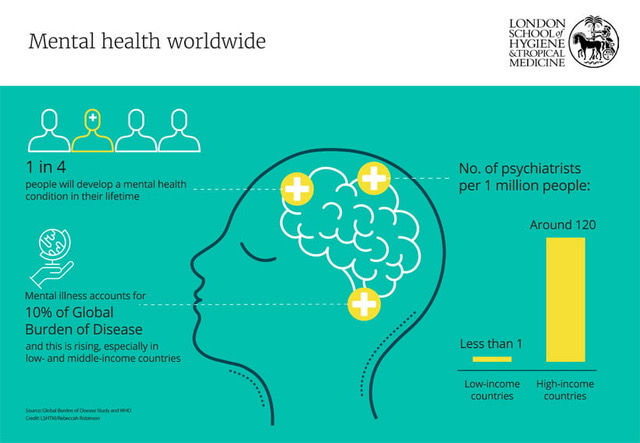
Systemic Underfunding: Mental health research and clinical services historically receive significantly lower funding than physical health, a disparity termed "structural stigma".
Insurance & Reimbursement Gaps: Reimbursement rates for behavioral health visits in 2026 average roughly 22% lower than those for medical or surgical visits, creating a massive financial barrier for both providers and patients.
Mandatory Licensure Declarations: Unlike many physical illnesses, physicians must often declare mental health conditions for medical licensure, which can lead to intrusive "fitness to practice" assessments and restricted licenses.
Referral & Diagnostic Discrepancies
Diagnostic Overshadowing: Physical symptoms in patients with mental illness are often misattributed to their psychiatric condition, leading to delays in diagnosing serious physical ailments like heart disease or cancer.
Limited Outpatient Training: Most medical students learn psychiatry in inpatient settings with extreme cases, receiving minimal exposure to the outpatient care where over 80% of mental health treatment occurs.
Therapeutic Pessimism: Providers outside the field frequently hold the belief that mental illnesses are "incurable," leading to dismissive or demeaning interactions that deter patients from seeking further help.

Pharmaceutical & Market Discrepancies
Lack of Personalized Engagement: Historically, pharmaceutical representation in mental health lagged behind highly commercialized fields like oncology or cardiology. However, in 2026, companies are shifting toward "hyper-personalized" direct-to-consumer platforms to reclaim the patient relationship and drive care coordination.
Prescribing Imbalance: Non-psychiatric physicians and nurses write 80-90% of psychiatric prescriptions but often demonstrate lower knowledge levels regarding psychopharmacology compared to specialists.
Will it change?
The landscape is shifting in 2026 due to several emerging trends:
Enforcement of Parity Laws: Stronger enforcement is finally pushing for insurance coverage of mental health and substance use services at the same level as physical health.
Value-Based Care Integration: Systems are moving mental health from the "periphery to the core," adopting new measures like treatment engagement and social determinants of health to better capture patient outcomes.
Collaborative Care Models: Integrating mental health into primary care settings is becoming standard practice to improve medication adherence and reduce the "isolation" of psychiatric treatment.
Stigma in 2026 remains a significant barrier, often causing mental health patients to be viewed through a lens of "weakness" or "craziness" rather than as individuals with medical conditions . This bias manifests in healthcare, social settings, and policy.

Healthcare and Structural Disparities
Substandard Care: Patients reporting unfair treatment or disrespect by healthcare providers are twice as likely to go without needed mental health care. Many providers, including non-psychiatric physicians, still exhibit implicit biases that can lead to devaluing or dehumanizing patients.
Arbitrary Benefit Caps: Medicare laws in 2026 still include discriminatory limits, such as a 190-day lifetime capon inpatient psychiatric hospital care a restriction that does not exist for any other medical specialty.
Reimbursement Gaps: Insurers often provide lower reimbursement rates for mental health services compared to physical health, driving clinicians out-of-network and forcing patients to pay higher out-of-pocket costs.
Social and Personal Impacts
Perceptions of Weakness: Cultural emphasis on "toughness" leads many to view seeking help as a vulnerability or failure of character. Men, in particular, often face heightened stigma, as mental health symptoms are frequently misidentified as a lack of willpower.
The "Crazy" Label: The label "crazy" is still used to isolate and dismiss individuals, effectively treating them as the opposite of "normal".
Self-Stigma and Isolation: Approximately 47% of people with serious mental illness report discrimination when trying to maintain friendships, and 72% feel the need to hide their diagnosis.
Ongoing Progress and Challenges in 2026
Mental Health Parity: New federal rules aimed at closing insurance gaps took effect on January 1, 2025, with more phases rolling out through 2026. These rules prohibit stricter medical necessity criteria for behavioral health than for physical health.
Reducing Stigma: While stigma has decreased for conditions like anxiety and depression due to more open public dialogue, it remains high for serious conditions like schizophrenia and bipolar disorder.
Access Inequities: Significant "mental health deserts" persist; for example, distressed areas may have as few as two providers per ZIP code compared to eleven in prosperous areas.



Comments